

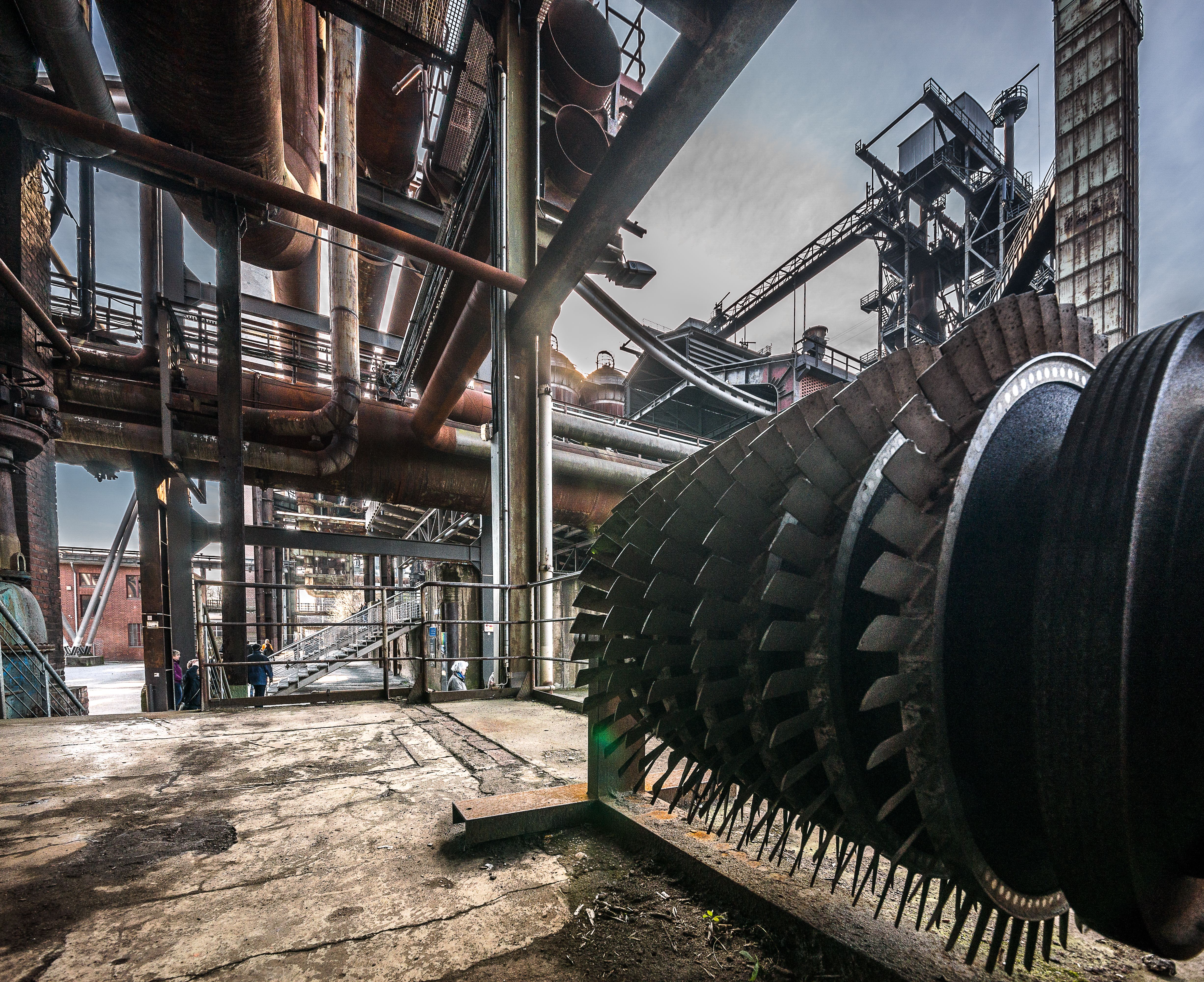
The Cost of Unplanned Downtime
In cement and power plants, every hour of unplanned downtime costs significantly more than the spare part itself. A failed baghouse pulse valve, a worn conveyor roller, or a faulty ESP rapper can halt production lines worth lakhs per hour. The solution isn't carrying more inventory — it's carrying the right inventory with a structured spares lifecycle plan.
Critical vs. Non-Critical Spares
Not all spares carry equal risk. A structured classification helps:
- Critical spares — components whose failure halts production (ID fan bearings, ESP high-voltage insulators, main conveyor drive motors)
- Insurance spares — high-value items with long lead times kept as standby (gearboxes, large pumps, specialized filter media)
- Consumables — regularly replaced items (filter bags, nozzles, belts, lubricants)
- General spares — standard items available from multiple sources (fasteners, gaskets, seals)
OEM Cross-Referencing
When an original part is no longer available or prohibitively expensive, OEM cross-referencing identifies equivalent alternatives. This requires understanding the part's material specification, dimensional tolerance, operating conditions, and interface requirements. Poor cross-referencing creates fitment failures and safety risks.
Lead-Time Planning
Standard spares: 24–48 hours. Custom or long-lead items: 8–16 weeks. The gap between "we need it now" and "it arrives in 12 weeks" is where proactive planning makes the difference. Maintaining a spares registry with lead times, minimum stock levels, and reorder triggers eliminates emergency procurement premiums.
Targett International supplies APC, WWT, and MHS spares from qualified Indian OEMs with 24–48 hour response on standard items.